
In complex matters involving psychiatric injury, the challenge for legal decision‑makers is rarely diagnosis alone, it is understanding how psychological symptoms translate into real‑world functional impact, capacity, and risk. Occupational therapy brings unique evidentiary value to this task. While psychiatrists and psychologists appropriately address diagnosis and causation, an experienced medico‑legal Occupational Therapist provides independent, structured analysis of how psychiatric injury affects day‑to‑day function, work capacity, self‑care, and sustainable participation in ordinary life. This functional lens equips lawyers, tribunals, and courts with practical, observable evidence that bridges the gap between clinical opinion and real‑world implications, supporting clearer liability assessment, more accurate quantum evaluation, and earlier, more confident resolution of matters.
A profession founded in mental health
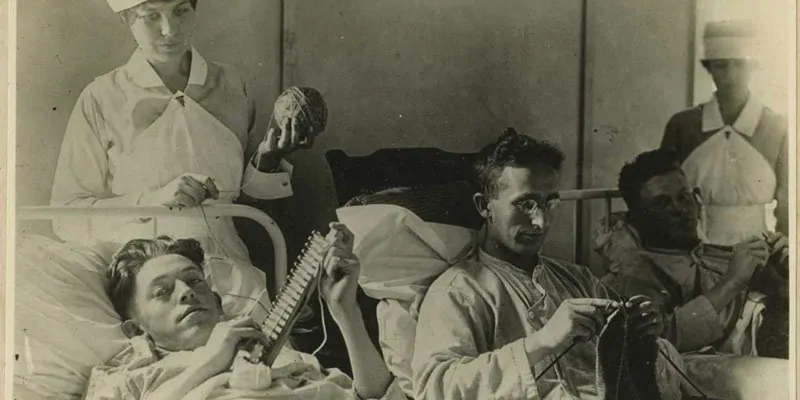
It is interesting to note that the profession of occupational therapy originated in the early 20th century as a “work cure”, placing emphasis on daily activity to treat psychiatric disorders. Strongly supported by early leaders like William Rush Dunton Jr., often called the “father of occupational therapy”, which was the alternative to the “rest cure,” approach for mental health, rooted in the 18th-century Moral Treatment movement that used purposeful activity rather than restraints for mental illness. [1]
The moral treatment movement (late 18th–mid 19th century) was a transformative, humane approach to psychiatric care that replaced physical shackles with compassionate, psychosocial treatment. It emphasised respectful care, routine, environmental, and structured activity in asylums to heal mental illness. It focused on engaging patients in purposeful activities such as arts, crafts, and installation of daily routines to promote recovery, mental hygiene, and a balanced life. George Edward Barton came up with the term “occupational therapy” after experiencing the healing power of crafts and work in his own recovery. These same modalities continue to be utilised by occupational therapist in the care of in-patient presenting with psychiatric illness.
The focus of the profession shifted toward physical rehabilitation during WWI and WWII (1920s–1940s) to assist returning, injured soldiers. Eleanor Clarke Slagle was the pioneer in the development of “habit training,” a structured routine of activity for patients in state hospitals to restore a balance between work, play, and rest. During the 1960s–1970s the profession of occupational therapy evolved further with the key focus being on assisting patients in moving from institutions into community settings. The occupational therapy profession’s core believe has always been that engaging in meaningful, purposeful activity (occupation) has a curative, stabilising effect on mental health, supporting both emotional and functional well-being.
Occupational Therapy as a strategic medico-legal tool
Instructing an Occupational Therapist in matters involving predominantly mental health presentations should not be viewed as discretionary, but as a strategic evidentiary decision. Occupational therapy evidence moves beyond symptom description to objectively examine how psychiatric injury translates into functional impairment, capacity, risk, and rehabilitation potential. Critically, well‑constructed letters of instruction should extend beyond standard functional questions to address rehabilitation pathways, identifying evidence‑based, goal‑directed interventions that support sustainable participation and long‑term quality of life. This enables courts and decision‑makers to move beyond generic care recommendations toward practical, future‑focused outcomes that support clearer reasoning and more confident resolution.
Looking beyond traditional care recommendations
Recommendations for future care would not only be focused on the usual personal and domestic care assistance commercially provided, as the role of occupational therapist in the treatment of this client group is much more comprehensive and focussed. The focus of recommendations would be on participation in meaningful activity, the use of “occupations”/ everyday tasks like play, social activities, and self-care to foster physical and mental health and well-being. The approach would include trauma-informed care, recommending the involvement of a mental health case manager and support worker, creating environments that promote a sense of safety, competence, and connection, which are essential for healing and having some quality of life. Treatment recommendations would further focus on the facilitation of self-regulation, with interventions often involving strategies to improve a person’s ability to manage strong emotions and stress responses, with the development of healthy coping strategies. Lead by a sensory-based approach, given the impact of trauma on sensory development, the Occupational Therapist may use sensory-based interventions to help individuals process and regulate sensory input.
As the occupational therapist are able to present a holistic view of the client, they follow a client-centered approach, where therapy intervention is tailored to the individual’s unique needs, goals, and lived experiences, with a focus on restoring roles and enabling engagement in healthier occupations. A further focus would be on reducing isolation by facilitating opportunities for social engagement through group activities or community involvement to combats loneliness. Occupational therapists are able to provide education for clients and families about mental health, self-management strategies, and community resources, and act as an advocate, addressing barriers like stigma and discrimination, promoting a more positive understanding of mental illness in the community. Occupational therapist will work as part of a multidisciplinary team to coordinate care and ensure a holistic approach to support clients, particularly in cases of complex or historical trauma, and would therefore be able to allude to the need to involve other health professionals in the client care.
Bringing Occupational Therapy back to its mental health roots
In summary, the profession of occupational therapy (OT) has evolved from its early 20th-century roots as a “work cure” for mental illness into a modern, recovery-oriented practice focused on empowering individuals to achieve personal goals through functional activity. While commonly associated with physical injury rehabilitation—such as equipment prescription and home modifications—OTs are increasingly valued in personal injury law for assessing the functional impact of psychiatric injuries on daily life and working capacity, adding value by being able to provide management and treatment strategies for clients with complex psychiatric claims in the personal injury space.
References:
[1] https://caot.ca/